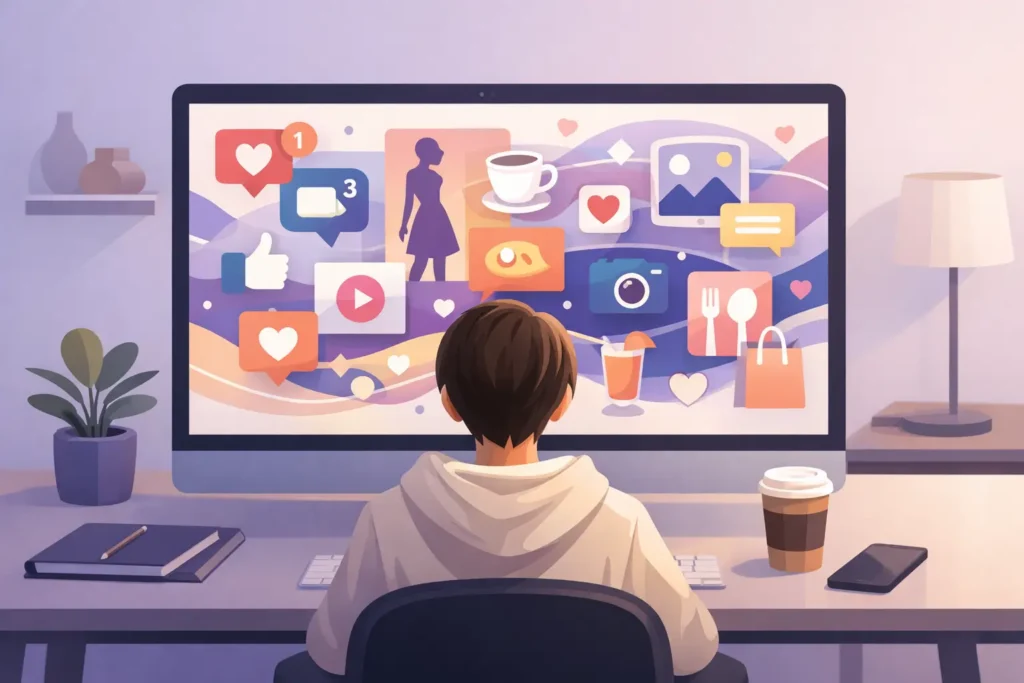
In the last decade, social media has transformed from a simple networking tool into a powerful driver of global culture. Today, platforms like Instagram, TikTok, and Pinterest influence not only how people communicate but also how they dress, eat, and live. From viral food challenges to fashion hauls and lifestyle aesthetics, social media trends now shape consumer behavior more than ever before.
Let’s explore how these trends are redefining fashion, food, and lifestyle choices in 2025.
1. Social Media and Fashion Trends
Fashion is one of the industries most influenced by social media.
- Fast Fashion and Instant Trends: Platforms like Instagram Reels and TikTok create instant fashion crazes. A single viral post can make a style—whether it’s oversized blazers, Y2K revival, or “quiet luxury”—an overnight sensation.
- Influencers as Trendsetters: Instead of waiting for fashion weeks, people now look to influencers and creators for inspiration. Micro-influencers, in particular, drive niche styles that feel relatable and authentic.
- Virtual Try-Ons: AR features on Snapchat and Instagram let users virtually try clothes before purchase, blending fashion with technology.
- Sustainability Awareness: At the same time, social media has amplified conversations about sustainable fashion, urging brands to be transparent and eco-friendly.
2. Social Media and Food Culture
Food has become a global language on social platforms.
- Viral Food Trends: From Dalgona coffee during the pandemic to butter boards and cloud bread, social media has made experimental recipes go viral overnight.
- Food Influencers and Aesthetics: Instagram-worthy plating and TikTok recipe hacks push restaurants and chefs to focus on presentation as much as taste.
- Local to Global Exposure: Small food businesses now reach worldwide audiences with just a few posts, making social media a marketing powerhouse.
- Health and Lifestyle Choices: Fitness influencers and diet trends (like keto, veganism, or intermittent fasting) gain momentum because of their visibility on social platforms.
3. Social Media and Lifestyle Trends
Beyond fashion and food, social media shapes daily lifestyles and aspirations.
- Home Décor & Aesthetics: Pinterest boards and Instagram reels inspire millions to decorate homes based on themes like “minimalist chic,” “cottagecore,” or “Japandi.”
- Travel Inspiration: Hashtags like #TravelGoals and #Wanderlust encourage people to explore destinations seen on influencers’ profiles, often boosting tourism in lesser-known places.
- Fitness and Wellness: Platforms like YouTube and TikTok make workout routines, yoga practices, and mindfulness trends accessible to everyone.
- Consumer Behavior: People now make purchasing decisions based on reviews, unboxing videos, and influencer recommendations rather than traditional advertising.
4. The Role of Algorithms in Trend Creation
Algorithms play a huge role in shaping these industries. By pushing viral content to wider audiences, platforms decide which fashion look, food recipe, or lifestyle hack becomes the “next big thing.” This democratizes trend creation—anyone with creativity and consistency can start a movement.
5. Positive and Negative Impacts
Like every cultural shift, social media trends have both pros and cons.
Positives:
- Faster global reach for brands and creators.
- Increased creativity and innovation.
- Opportunities for small businesses to compete with big brands.
Negatives:
- Overconsumption, particularly in fast fashion and food fads.
- Unrealistic lifestyle expectations, leading to stress or anxiety.
- Shorter trend cycles, creating waste and unsustainability.
Conclusion
Social media is no longer just entertainment—it’s a cultural powerhouse that shapes how we dress, what we eat, and the way we live. While it brings creativity, inclusivity, and global exposure, it also challenges us to balance trends with sustainability and authenticity.
In 2025, one thing is clear: social media trends will continue to drive the future of fashion, food, and lifestyle—one viral post at a time.