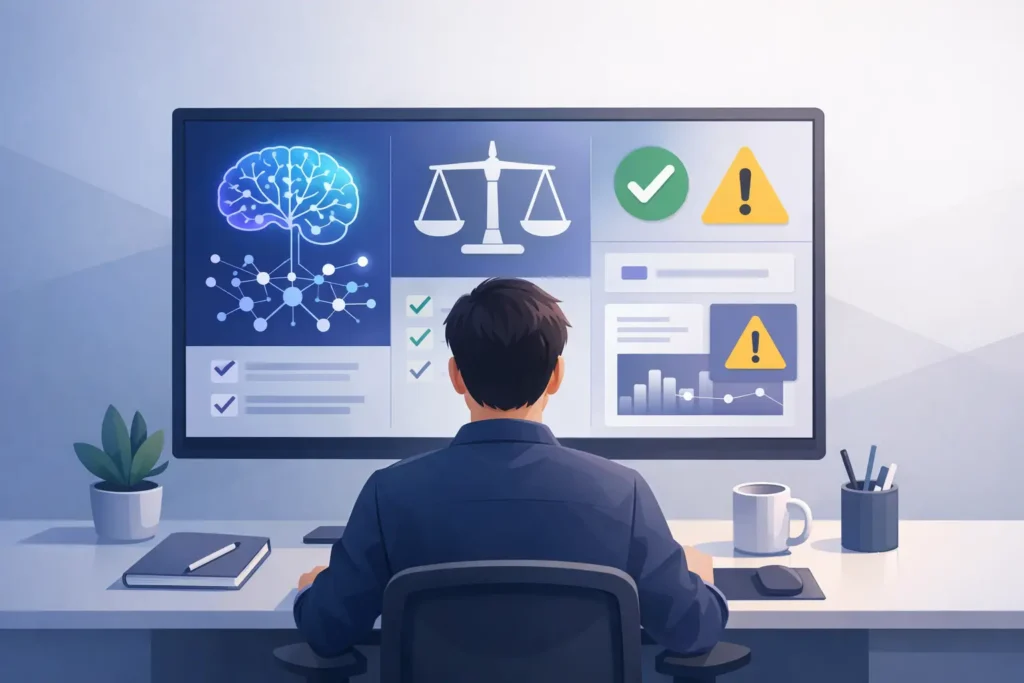
Artificial Intelligence (AI) has transformed the digital world, and content creation is no exception. From writing blog posts and scripts to generating product descriptions and social media captions, AI-powered tools are helping individuals and businesses create content faster than ever. But just like any technology, AI-generated content has its advantages and disadvantages.
In this blog, we’ll dive deep into the pros and cons of AI-generated content, its impact on businesses, and whether it is the right choice for your content strategy.
What is AI-Generated Content?
AI-generated content refers to text, images, videos, or audio created using artificial intelligence tools. These tools use machine learning models trained on large datasets to produce human-like content based on user inputs or prompts.
Common tools include ChatGPT, Jasper AI, Copy.ai, Writesonic, Simplified, and many more.
Pros of AI-Generated Content
✅ 1. Faster Content Creation
AI tools can generate blog posts, captions, emails, and scripts within seconds. This saves hours of manual writing and helps meet deadlines quickly.
✅ 2. Cost-Effective
Hiring writers, designers, or video creators can be expensive. AI tools reduce these costs significantly by providing instant drafts or complete content pieces at a lower price.
✅ 3. Helps Overcome Writer’s Block
Many creators struggle to start writing. AI provides structure, ideas, headlines, and suggestions, helping writers overcome creative blocks easily.
✅ 4. Scalability
Businesses can generate large volumes of SEO articles, product descriptions, or social media posts without increasing manpower.
✅ 5. Multilingual Capability
AI tools can translate and generate content in multiple languages, making global communication easier.
✅ 6. Data-Driven Insights
Some AI platforms analyze user behavior and trends to create personalized and relevant content, improving engagement and conversion rates.
Cons of AI-Generated Content
❌ 1. Lacks Human Emotion and Creativity
AI can mimic language patterns but may struggle to convey deep emotions, humor, personal experiences, or unique storytelling like humans do.
❌ 2. Risk of Plagiarism or Repetitive Content
Sometimes, AI produces content that is very similar to existing online data. This can lead to plagiarism issues or generic, repetitive content.
❌ 3. Fact-Checking is Necessary
AI may generate inaccurate or outdated information. It does not always verify facts, so human review and editing are essential.
❌ 4. Not Ideal for Sensitive Topics
Content involving medical advice, legal opinions, mental health, or personal stories should not rely solely on AI as it may give misleading or unethical information.
❌ 5. SEO Penalties for Poor Content
Search engines like Google can penalize websites using low-quality or spammy AI content. Quality, originality, and user value are still the top ranking factors.
❌ 6. Dependency on Technology
Excessive reliance on AI can reduce human creativity and writing skills over time.
How to Use AI-Generated Content the Right Way?
To get the best results, follow these practices:
- ✅ Use AI for idea generation, drafts, headings, outlines, and structure.
- ✅ Always edit and proofread the content manually.
- ✅ Add human touch, real-life examples, opinions, or experiences to make it engaging.
- ✅ Run plagiarism checks to ensure originality.
- ✅ Keep content aligned with your brand tone and target audience.
- ✅ Update facts and verify data before publishing.
Is AI Content Good for SEO?
Yes, if used correctly.
AI-generated content that is original, informative, user-focused, and well-optimized with relevant keywords can rank well on search engines. However, low-quality, keyword-stuffed, or copied AI content can harm your SEO performance.
Future of AI in Content Creation
AI is not here to replace human writers but to assist them. The future will see a combination of human creativity + AI efficiency where writers use AI as a smart assistant to enhance productivity and innovation.