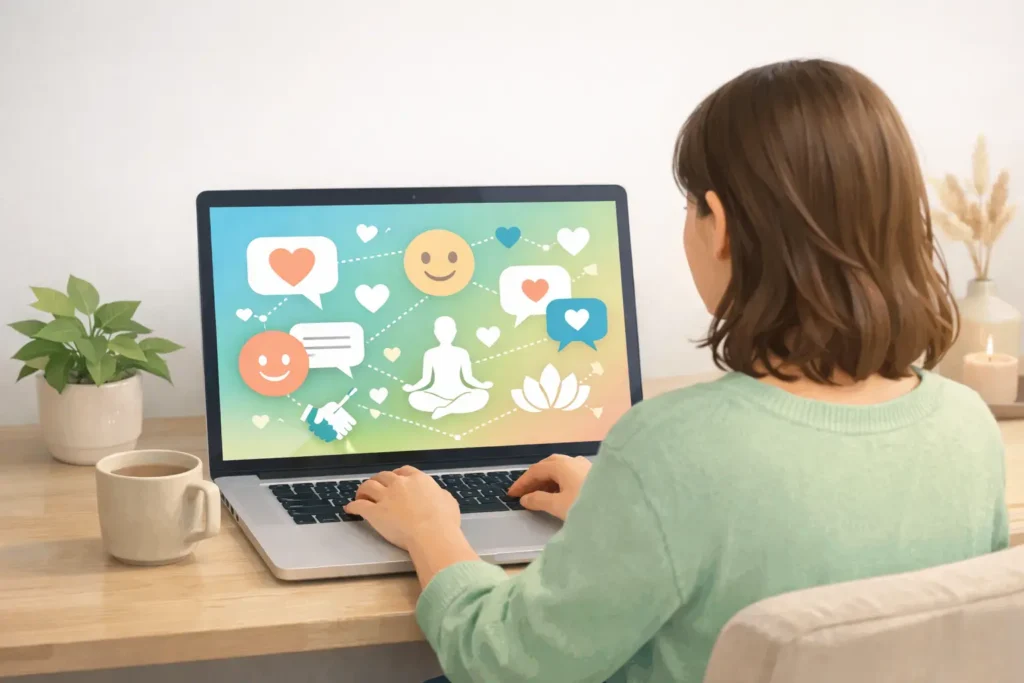
Social media has become an inseparable part of modern life. From connecting with friends and family to staying updated with global news, it plays a vital role in how we interact and consume information. But along with its many benefits, social media also raises concerns about its impact on mental health.
In this blog, we’ll take a closer look at the pros and cons of social media on mental well-being, helping you understand both sides of the digital coin.
🌟 The Pros of Social Media for Mental Health
1. Improved Connectivity and Support
Social media helps people stay connected regardless of distance.
- Families and friends can interact in real-time.
- Online support groups provide emotional help for those dealing with anxiety, depression, or loneliness.
- Communities for mental health awareness encourage open conversations and reduce stigma.
2. Access to Information and Awareness
Platforms like Instagram, YouTube, and LinkedIn provide access to valuable information.
- Mental health campaigns spread awareness on self-care and wellness.
- Educational content offers coping techniques and stress management tips.
- Users can easily discover resources, hotlines, and professional help.
3. Boosting Creativity and Self-Expression
Social media allows individuals to share their stories and talents.
- Creative outlets like reels, blogs, and art pages help reduce stress.
- Sharing experiences fosters confidence and belonging.
- Recognition and appreciation from peers can positively impact self-esteem.
4. Sense of Belonging
For many, social media provides a space to feel accepted.
- People with similar interests form online communities.
- Safe spaces help marginalized groups find connection and support.
- Belonging to such groups can reduce feelings of isolation.
⚠️ The Cons of Social Media for Mental Health
1. Anxiety and Depression
Excessive use of social media is linked to rising levels of stress, anxiety, and depression.
- Constant exposure to bad news can be overwhelming.
- Fear of missing out (FOMO) creates unnecessary pressure.
- Endless scrolling often leads to comparison and dissatisfaction.
2. Negative Impact on Self-Esteem
Seeing others’ highlight reels can make users feel inadequate.
- Unrealistic beauty standards and lifestyle portrayals affect self-image.
- Comparing achievements with peers leads to self-doubt.
- Cyberbullying and online hate can worsen emotional struggles.
3. Addiction and Reduced Productivity
Social media apps are designed to keep users engaged for longer.
- Overuse often leads to procrastination and lack of focus.
- Sleep cycles are disrupted due to late-night scrolling.
- Dependency on likes and comments creates addictive patterns.
4. Privacy and Safety Concerns
Social media also raises mental stress linked to online risks.
- Fear of data misuse can cause anxiety.
- Online harassment and cyberstalking impact emotional well-being.
- Lack of control over digital identity may create insecurity.
✅ How to Use Social Media in a Healthy Way
- Set time limits to avoid overuse.
- Curate your feed by unfollowing negative accounts.
- Engage mindfully—focus on meaningful interactions, not just scrolling.
- Take digital detox breaks to balance online and offline life.
- Seek help if social media is affecting your mental health.
Conclusion
Social media is a powerful tool with both positive and negative effects on mental health. While it fosters connection, creativity, and awareness, it can also contribute to stress, low self-esteem, and addiction when overused.
The key lies in mindful usage—leveraging the benefits of social media while protecting mental well-being. By finding balance, we can enjoy the digital world without compromising our emotional health.